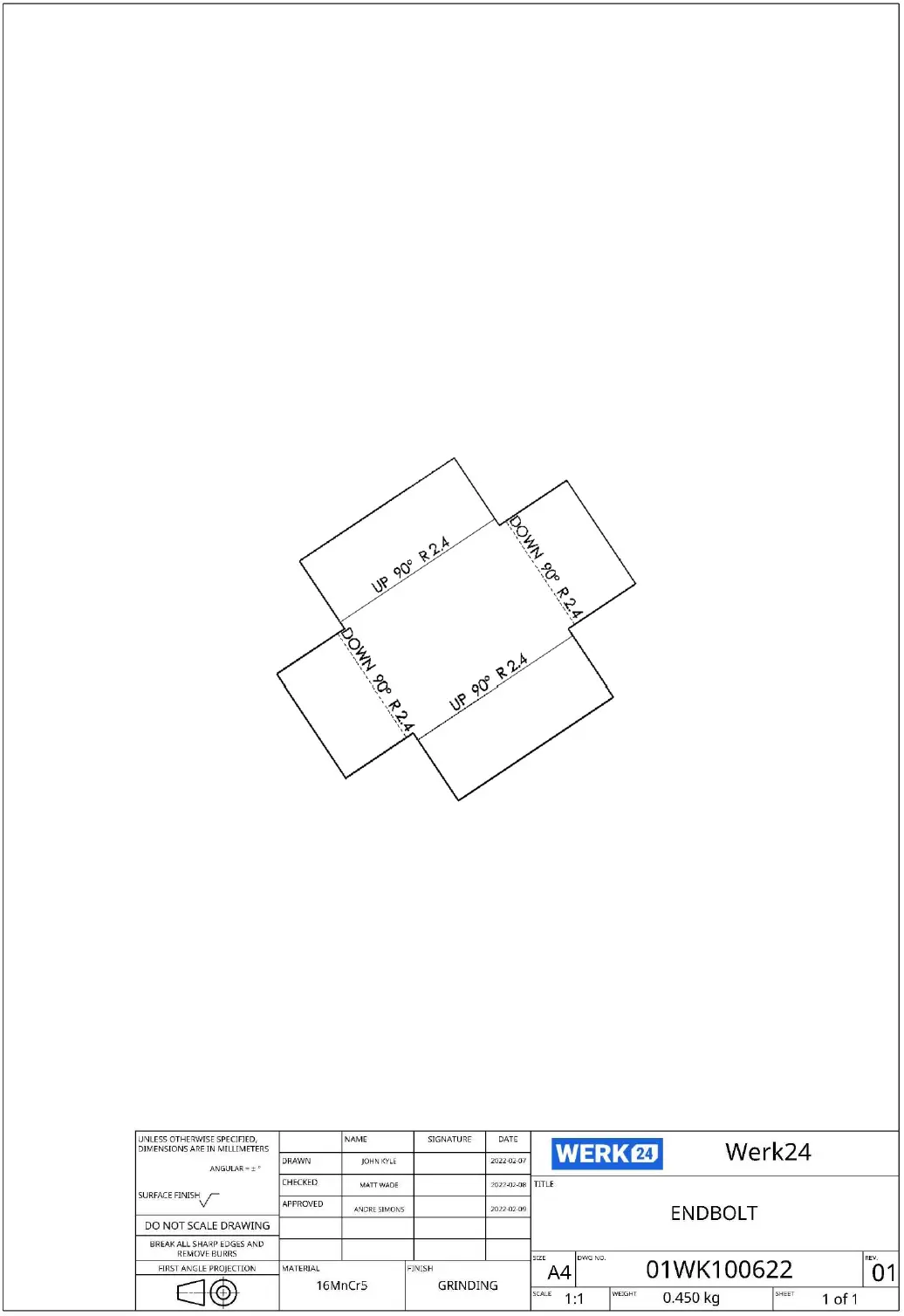
Bends specify how sheet metal is shaped. Ignoring bends risks missing key functional parts.
Knowledge Base for Product Owners
Dear Product Owner, the Werk24 knowledge base is written for you! It is designed to (i) give you an overview of the edge cases to consider when processing information from Technical Drawings, and (ii) explain which aspects can have a business impact.
Dear Developers, you’ll also find mechanical engineering principles that help when working with information extraction from Technical Drawings. For more technical discussion, see our documentation →.
Core Topics
Each concept below highlights why it matters for quoting, production, and business impact.
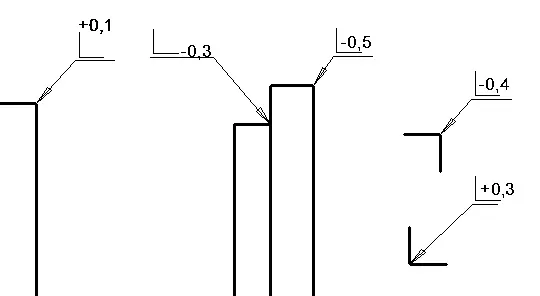
Edges define whether sharp corners are acceptable or require post-processing. Ignoring edges impacts quoting accuracy.
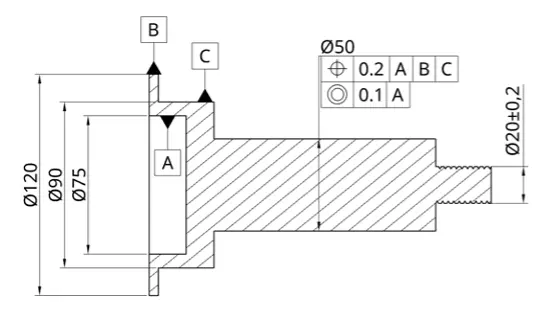
GD&T specifies tolerances in 3D. Tight GD&Ts increase cost. Ignoring them impacts profitability.
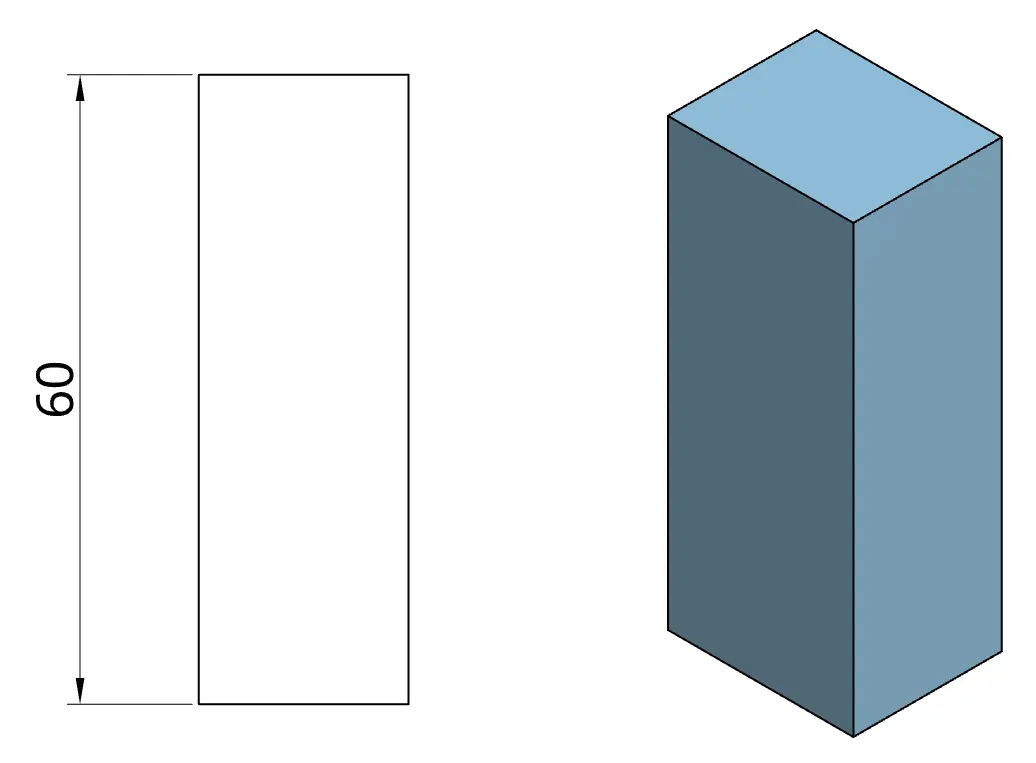
Measures describe the ideal lengths and deviations allowed before a part becomes useless. Ignoring tolerances produces parts that look right but don’t fit together.
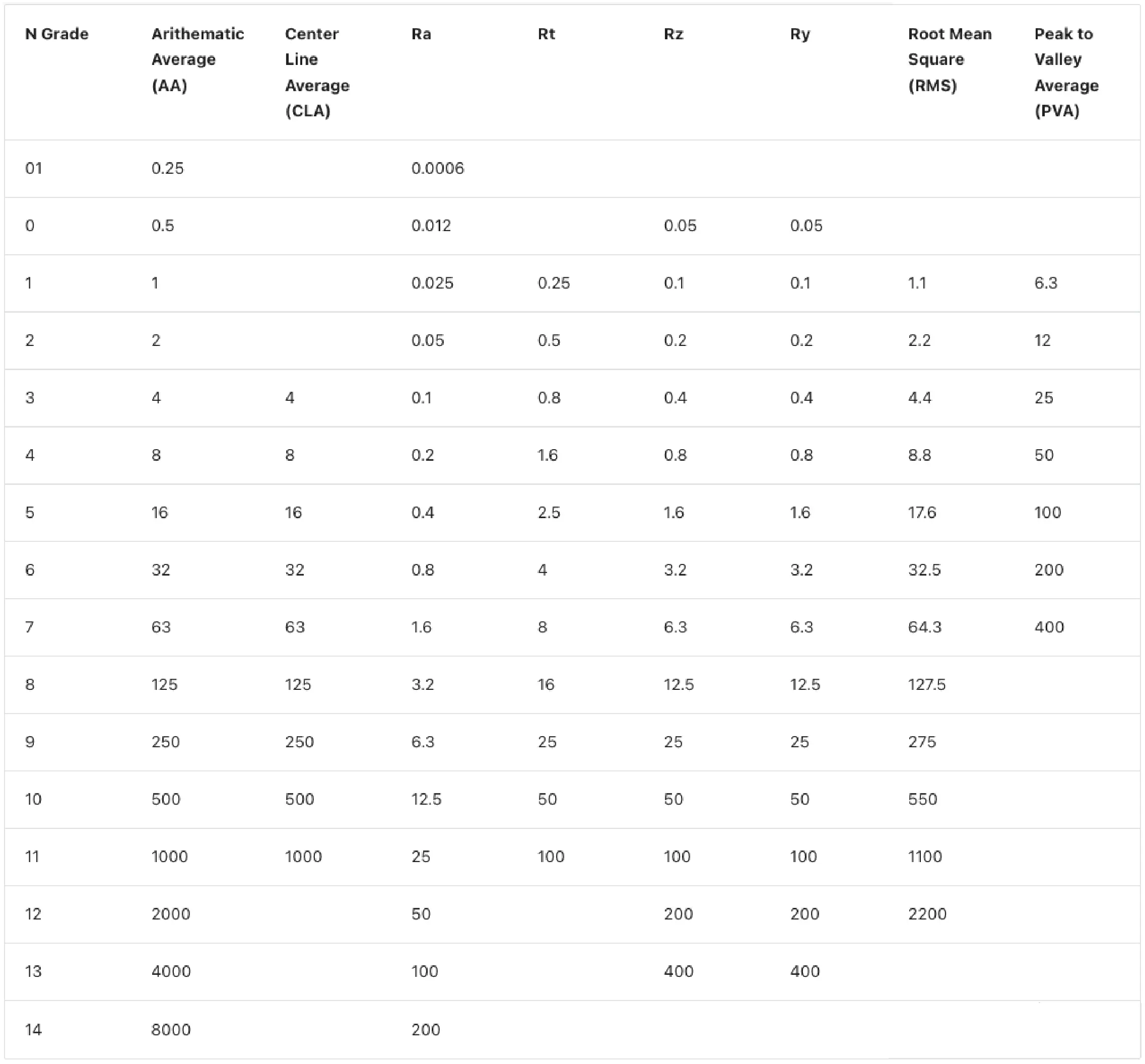
N-Grades standardize surface roughness. Ignoring them creates confusion, errors, and delays.
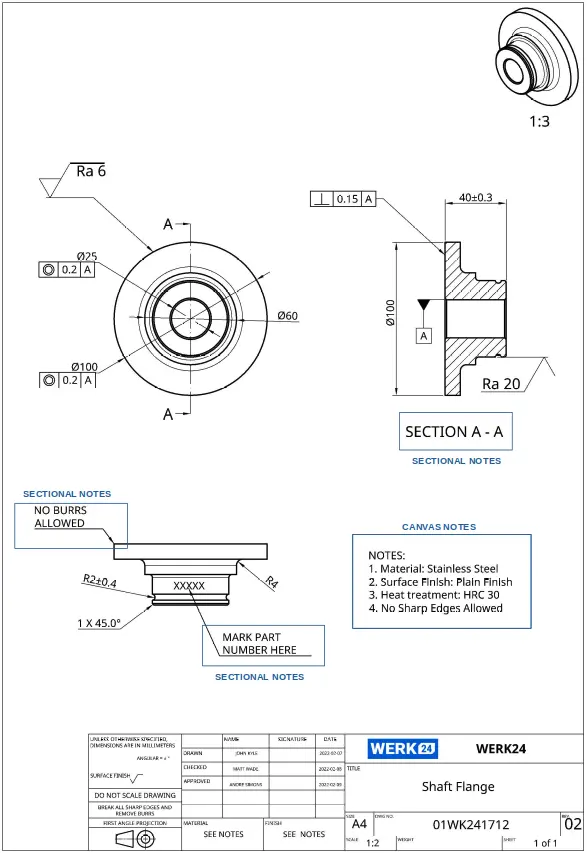
Notes clarify drawing conventions. Ignoring notes can cause major misunderstandings.

Processes define efficient production steps. Ignoring them increases workflow complexity.
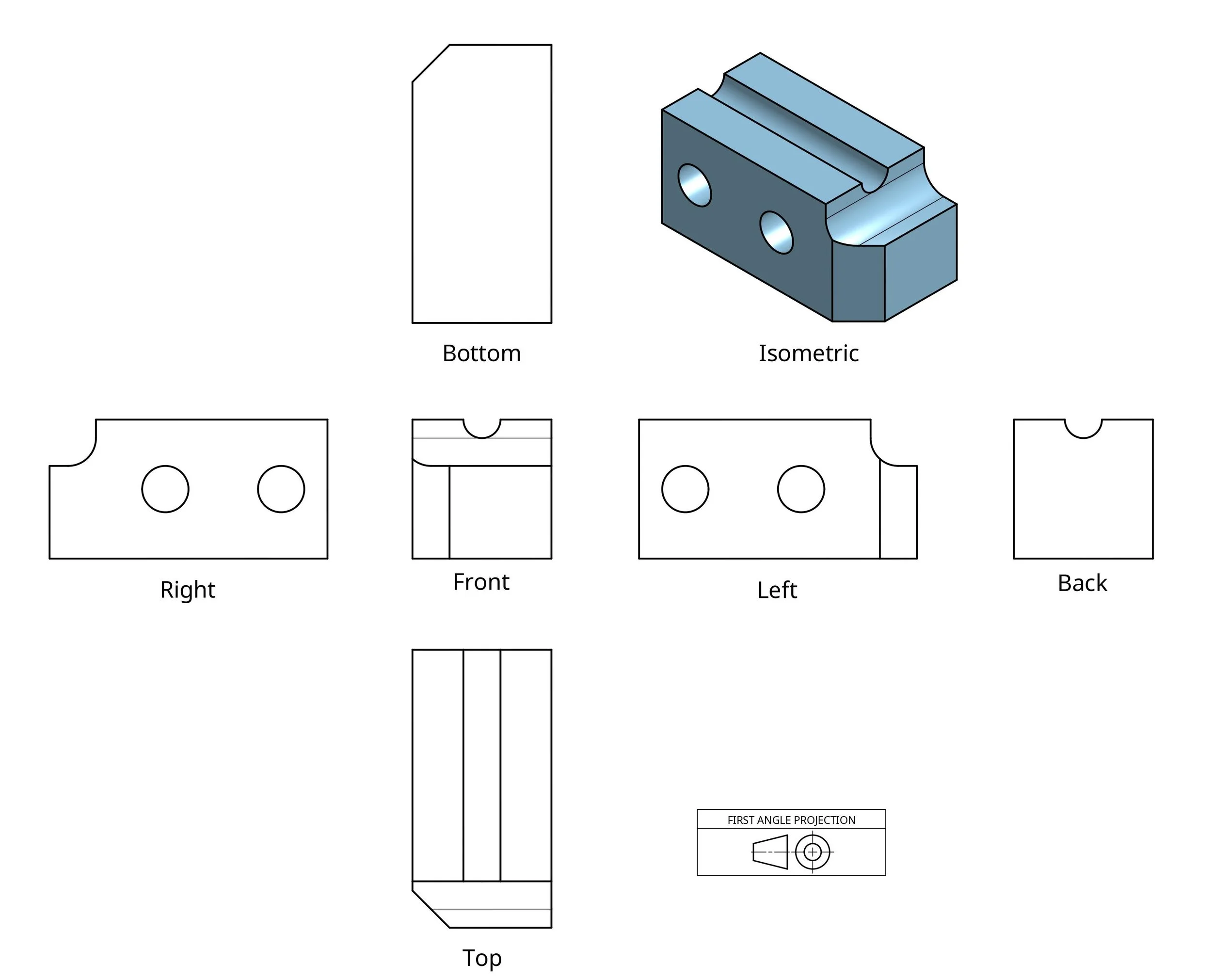
Projection Methods define how 3D objects are projected to 2D drawings. Different markets use different methods. Ignoring them results in mirrored, useless parts.
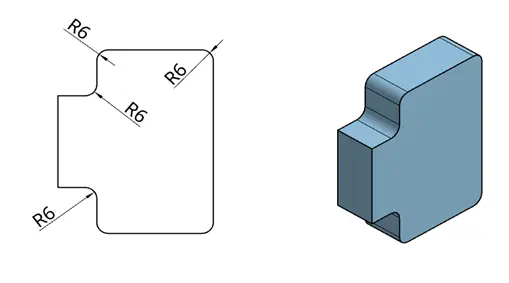
Radii describe curvature and smoothness. Sharp corners cause stress and are hard to machine. Ignoring radii risks part failure.
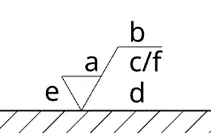
Surface roughness affects machining time and speed–smooth finishes require slower machining. Ignoring roughness can harm quoting accuracy.
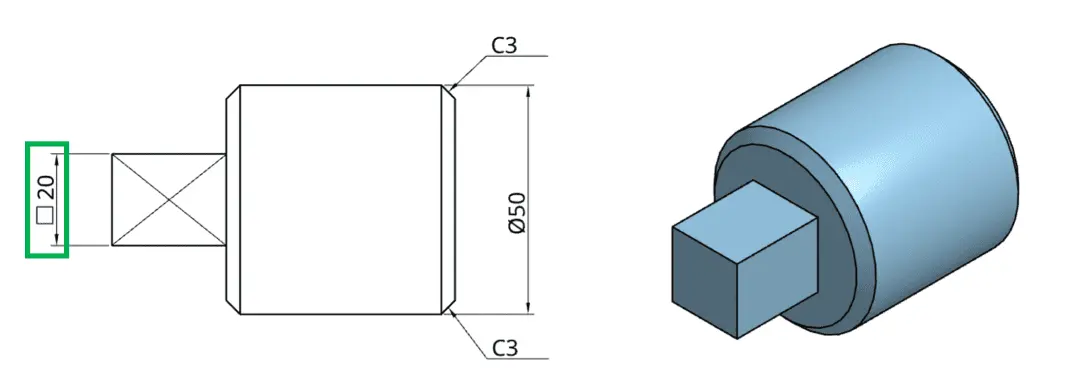
Symbols graphically represent features and characteristics. Ignoring them risks misinterpretation.
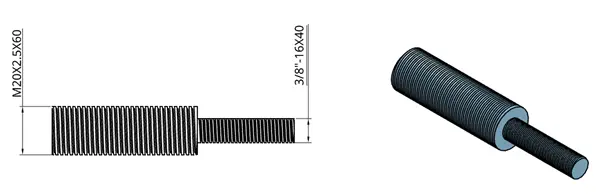
Thread readings include diameter, pitch, length, and more. Multiple standards exist. Ignoring differences may result in unmanufacturable parts.
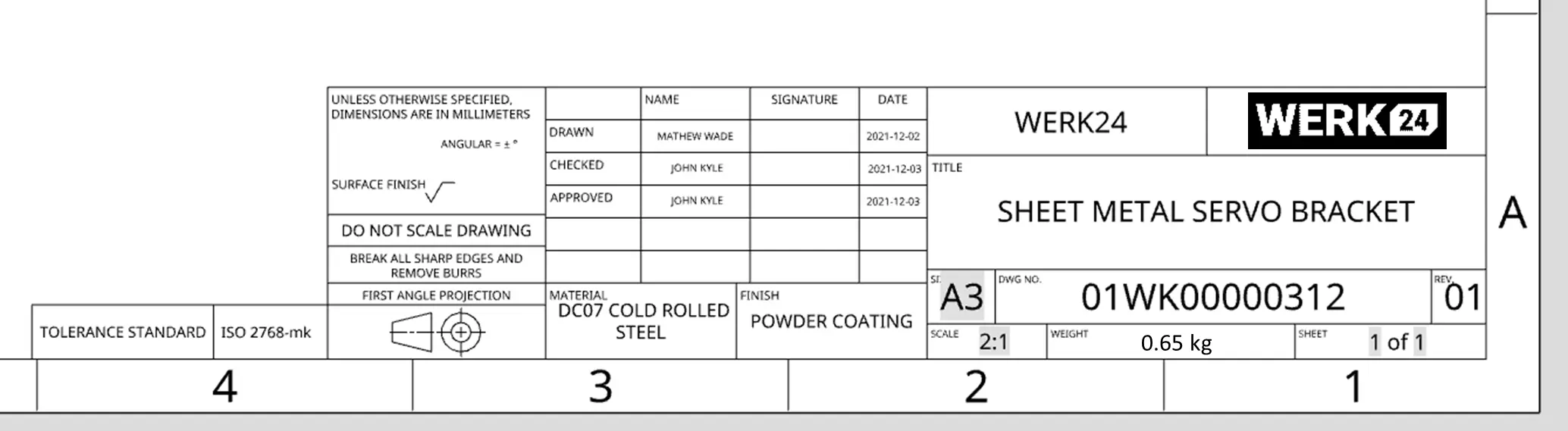
Title blocks carry metadata like drawing numbers and material. Leveraging them improves UX and context.
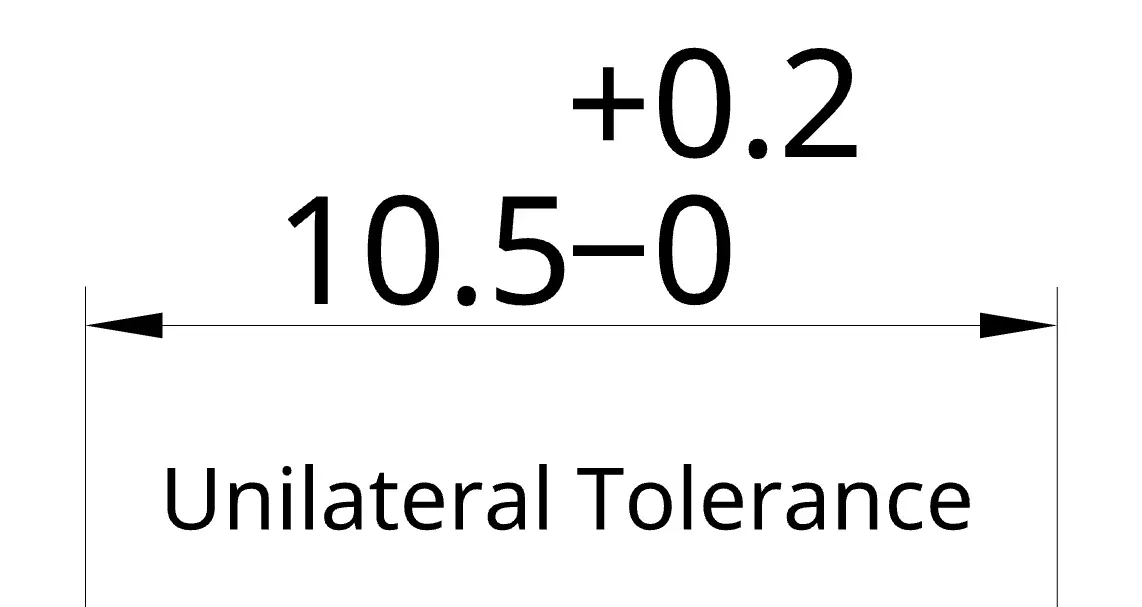
Tolerances define the acceptable range of variation. Ignoring them increases assembly problems and costs.